

Archive International Infection Prevention Week 2026
CareChoice is marking International Infection Prevention Week 2026, from 19–25 October. This week highlights the importance of keeping patients, residents and colleagues safe. It also reminds us that everyone has a role in preventing infection.
To mark the week, we spoke with Ciara Kelly, Assistant Director of Nursing (ADON) Practice Development at CareChoice Parnell Road. Ciara shared her views on staff training, teamwork and safe care.
Protecting Patients Through Everyday Care
At CareChoice Parnell Road, many patients have complex healthcare needs. As a result, some face a higher risk of infection.
Good infection prevention practices help reduce this risk. They can also prevent avoidable hospital stays and improve patient safety. Above all, they help our teams provide safe, high-quality care.
“For me, infection prevention is about protecting the people entrusted to our care.”
Ciara Kelly | ADON Practice Development
Education, Teamwork and Best Practice
In her role, Ciara works closely with the IPC Committee, IPC Link Nurses and wider team. Together, they support staff through training, audits and regular reviews.
Training covers hand hygiene, respiratory infections, outbreak planning and the correct use of protective equipment (PPE).
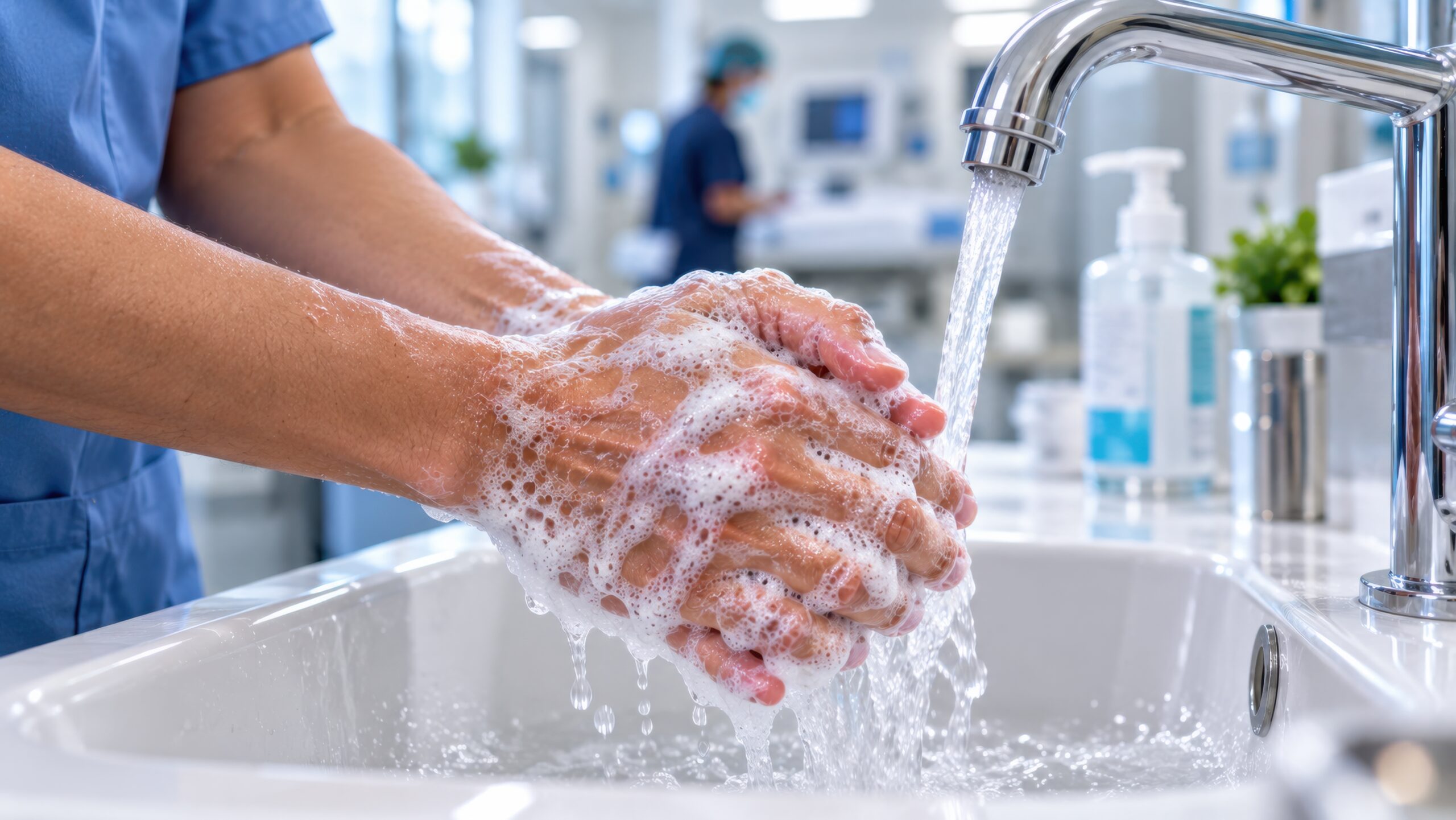
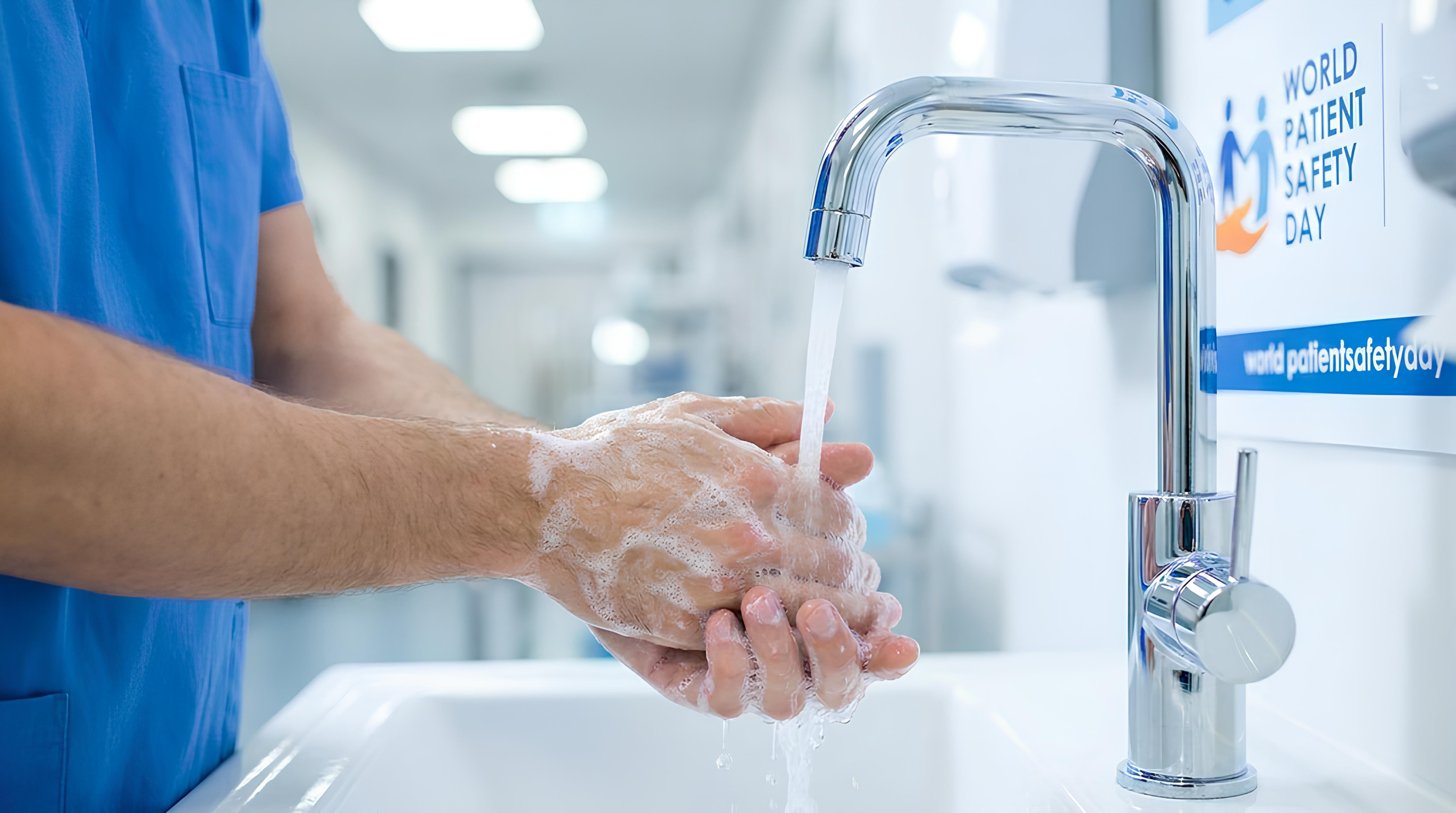
In particular, Ciara highlights the importance of good hand hygiene. It is one of the simplest ways to help prevent infection. Therefore, regular training and practical sessions help staff maintain safe standards every day.
Infection Prevention Is Everyone’s Responsibility
Everyone has a part to play in preventing infection. For example, good hand hygiene, clean spaces and early action can help keep people safe.
At Parnell Road, staff also work together to prepare for seasonal infections and outbreaks. In addition, regular training helps teams respond to new risks while providing safe, personal care.
As Ciara reminds us:
“Every interaction is an opportunity to keep someone safe, and by working together we can continue to provide the highest standard of care for our patients.”
Ciara Kelly | ADON Practice Development
This International Infection Prevention Week, we thank Ciara and all our CareChoice colleagues. Their hard work, teamwork and daily care help keep patients and residents safe.
Archive World Hospice and Palliative Care Day 2026
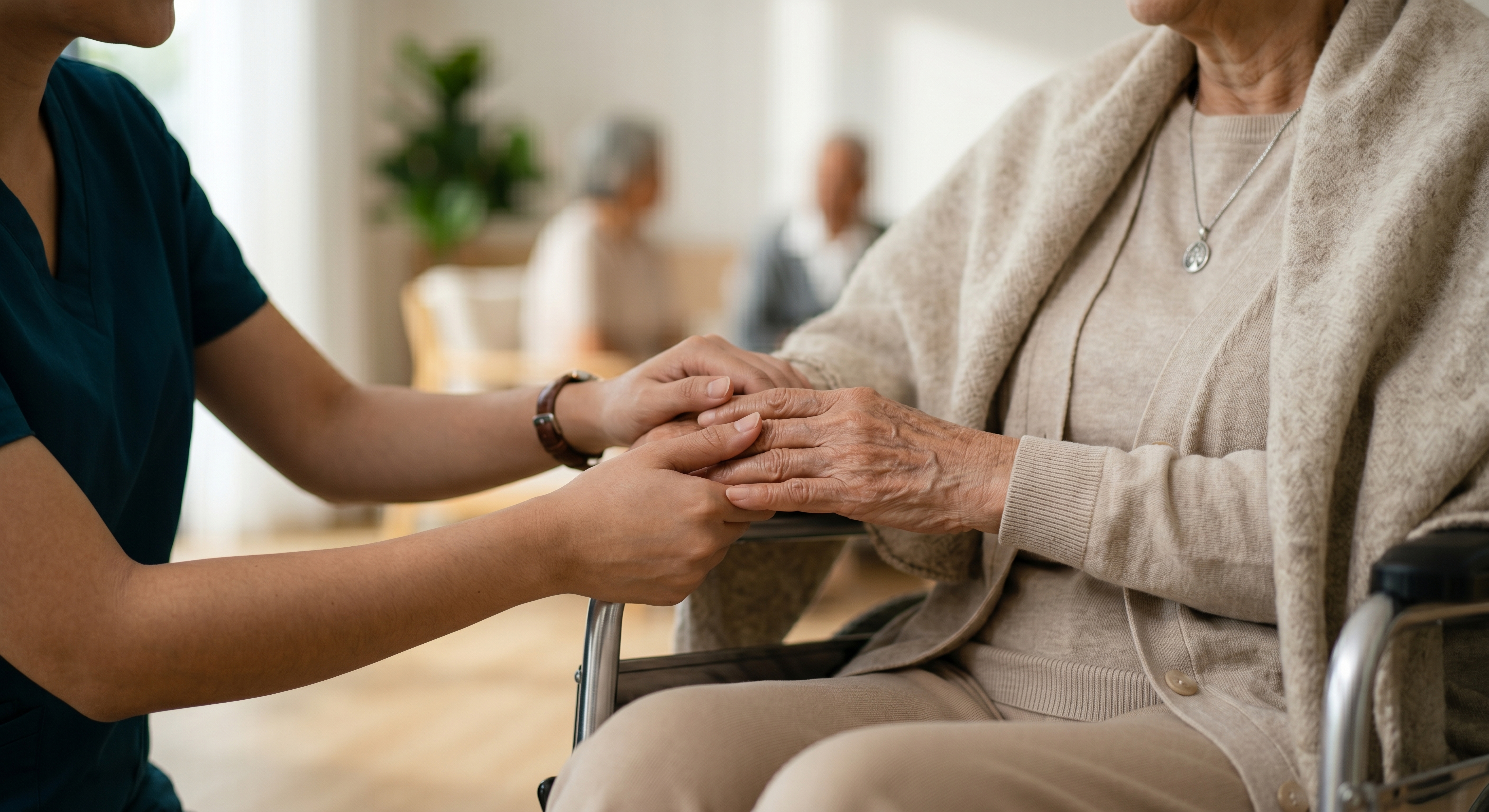
Today, 10 October, CareChoice marks World Hospice and Palliative Care Day. The day highlights the importance of compassionate palliative care. It also recognises its role in supporting comfort, dignity and quality of life.
This year’s theme is “Pain Management: An Essential Part of Palliative Care.” It highlights the importance of effective pain management. It also encourages a holistic approach to care.
Pain can affect people in different ways. It can have physical, psychological, social and spiritual aspects. Therefore, understanding these different needs is an important part of compassionate, person-centred care.
To mark the day, Wendy McGuinness, Director of Nursing at The Ardmore by CareChoice, shares her perspective. Wendy discusses palliative care, pain management and supporting residents and their families at the end of life.
Wendy McGuinness
Director of Nursing, The Ardmore by CareChoice
“What matters most to this resident?” rather than only “What is the matter with this resident?”
Compassionate Palliative Care
For Wendy, compassionate palliative care starts with dignity. Nursing teams focus on keeping each resident comfortable and managing their symptoms effectively.
They also respect each resident’s individual wishes and preferences. This means looking beyond clinical needs and understanding what matters most to the person.
A resident’s values, relationships, beliefs, culture and personal choices can all help shape their care. This person-centred approach helps teams provide support that reflects the individual.
Comfort is also central to palliative care. Nursing teams carefully monitor pain, distress and other symptoms. They can then respond to changing needs, particularly as a resident approaches the end of life.
Families also play an important role. Clear and compassionate communication can help loved ones understand what to expect. It can also provide reassurance during an emotional time.
Pain Management & Palliative Care
Effective pain management is a key part of high-quality palliative care. Good pain management can reduce suffering, improve comfort and ease distress.
It can also help residents feel calmer and more at peace. At the same time, families can feel reassured that their loved one is comfortable and receiving appropriate care.
At the end of life, pain management is about more than relieving physical symptoms. It also supports dignity and emotional wellbeing.
As a result, residents can focus on the people, moments and experiences that matter most to them.
A Holistic Approach
A holistic approach recognises that every resident is unique. Each person has their own life story, values, relationships and wishes.
Pain and distress are not always physical. Residents may also experience emotional, psychological, social or spiritual needs. Cultural needs can also play an important role.
Therefore, high-quality palliative care goes beyond managing physical symptoms. It focuses on comfort, dignity, reassurance and respect.
Within our nursing homes, teams take time to understand what matters to each resident. They support meaningful moments with loved ones and respect individual beliefs and cultural preferences.
This approach allows teams to care for the whole person. It can help residents live as comfortably and peacefully as possible. It also provides valuable support to their families.
Comfort, Dignity & Quality of Life
Nurses and Healthcare Assistants play a vital role in palliative care. They help residents live as comfortably and meaningfully as possible during the later stages of life.
Nursing teams manage symptoms and respond to changing needs. They also provide emotional reassurance and a calming presence for residents and their loved ones.
Listening is another important part of their role. Nursing teams take time to understand what matters to each person. They also help keep the resident’s wishes, values and preferences at the centre of care.
Their support extends to families too. Information, guidance and reassurance can make a significant difference during a difficult and emotional time.
Above all, nursing teams care for the whole person, not only their illness. This approach helps residents feel valued, respected and supported. It also promotes comfort, dignity and quality of life.
Communication & Collaboration
Good communication is essential to effective palliative care. Nursing teams, families and other healthcare professionals all have an important role to play.
Open communication helps everyone understand the resident’s needs and wishes. As a result, teams can provide care that reflects what matters most to the individual.
Families can offer valuable insight into a resident’s routines, wishes and preferences. Meanwhile, healthcare professionals can help families understand changes in their loved one’s condition.
Strong teamwork also helps staff identify changes quickly. They can then respond with appropriate care and compassion.
Most importantly, good communication creates a supportive environment. Residents can feel comfortable, respected and valued. Families can also feel supported throughout the journey.
“Supporting a resident through their palliative care journey at end of life is one of the last and kindest acts we can do for someone. It is a privilege to help ensure they are comfortable, treated with dignity and surrounded by compassion during this important time.”
— Wendy McGuinness, Director of Nursing, The Ardmore by CareChoice
World Hospice and Palliative Care Day 2026
End-of-life care affects residents and the people closest to them. Families and loved ones may experience many emotions during this time, including uncertainty and grief.
Compassion, kindness and support can make a lasting difference. Person-centred palliative care helps residents experience comfort and dignity. It can also reassure families that their loved one is receiving respectful and compassionate care.
This World Hospice and Palliative Care Day, CareChoice recognises our nursing teams and healthcare professionals. Every day, they provide compassionate palliative care to residents and support their families with dignity, comfort and kindness.